

University of Cambridge · Department of Land Economy
Centre for Resilience and
Sustainable Development
CRSD is the academic home of Co-Creating Code
CRSD is an international centre at the University of Cambridge that advances transdisciplinary social science. Using innovative systems-based methodologies, CRSD harnesses collective intelligence to institutionalise resilient and sustainable systems, from climate finance to AI governance.
Our Mission
Fostering sustainable, equitable, and resilient futures
CRSD is dedicated to fostering sustainable, equitable, and resilient futures where diverse stakeholders have the power to transform, at scale, the systems within which they operate.
We facilitate and accelerate the development of new, workable approaches to some of the world's most intractable problems. We use and develop interdisciplinary tools and techniques drawn from systems thinking and social sciences to catalyse and institutionalise transformation.
Three pillars of practice
Good Governance
Applying systems thinking to political economic theories to improve decision-making at every level of government and institution.
Sustainable Investment
Designing financial frameworks that attract capital toward resilient, equitable, and long-term outcomes for communities worldwide.
Responsible Innovation
Harnessing collective intelligence and smart technologies to ensure innovation serves people, not the other way around.
Founder & Research Centre Director
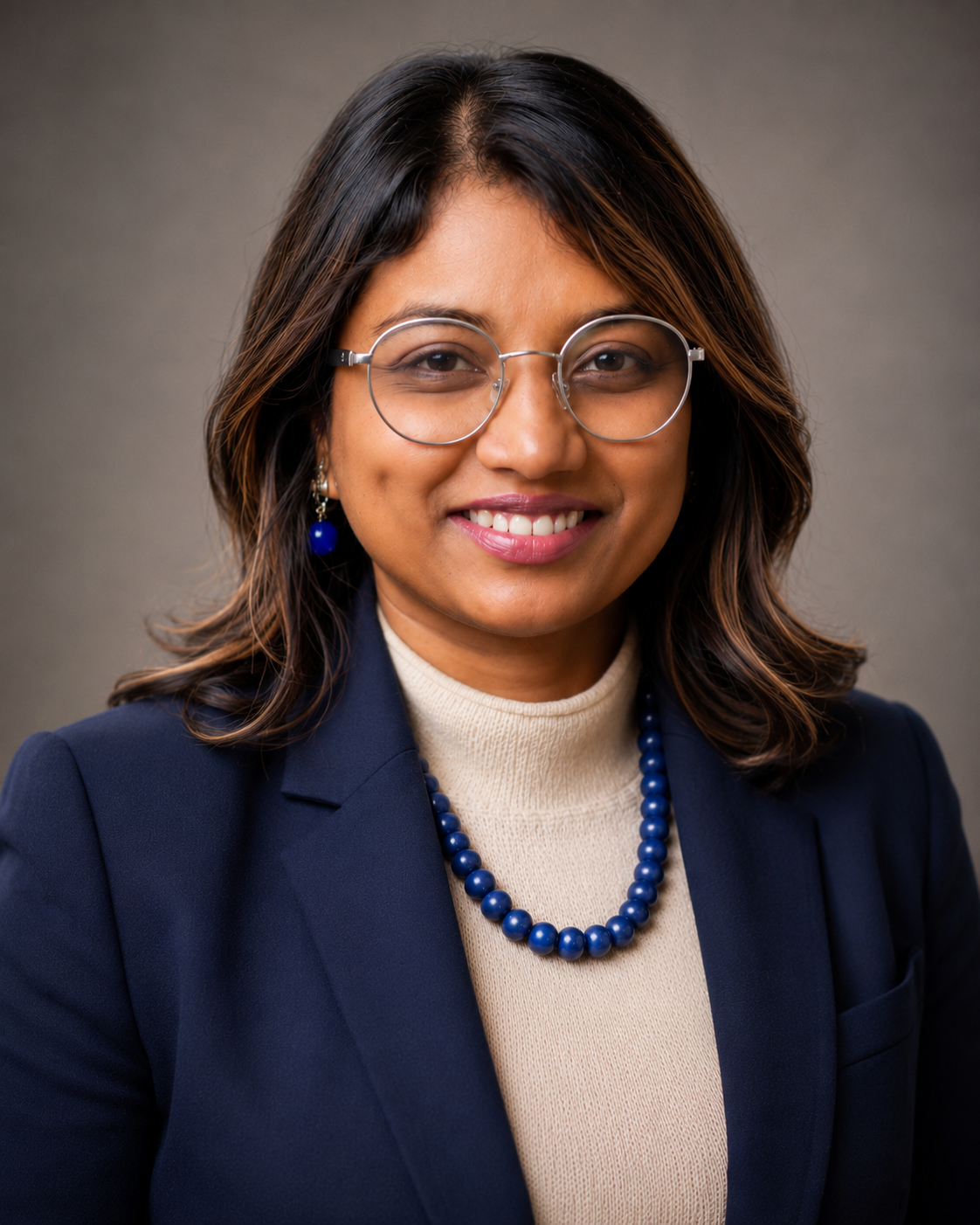
Professor Nazia M Habib, FRSA
Founder and Research Centre Director, CRSD
Department of Engineering & Department of Land Economy, University of Cambridge
Professor Nazia M Habib, FRSA, trained at Oxford University and the University of Cambridge, believes that to reduce inequality, inability, and inefficiency experienced globally, decision-makers and social science academics need to improve the methods used to create evidence for decision-making.
Out of that quest, Professor Habib has dedicated her scholarship to developing twenty-first century action-research methodologies that harness the power of collective intelligence, smart technologies, and open innovation. Leaders of more than 57 countries have benefited from her research methods and have seen improvements in their abilities to manage uncertainty.
Professor Habib has advised over 20 governments on sustainable development and climate change policy. She was recognised on Commonwealth Day 2023 by King Charles III, King of the United Kingdom, at Buckingham Palace for her research on the Commonwealth Small States. She has also set up the world's first food system leadership academy for the North Africa and Near East region (NENA) with the UN Food and Agriculture Organization.
She is a Board Member of the University of Cambridge's Board of Scrutiny, a Special Advisor for the EAT Foundation, a Fellow of the Royal Society of Arts (RSA), and a former Fellow of the World Economic Forum (WEF). She received the Claydon Prize for her outstanding PhD thesis in Economics.
Featured Projects
Action-research at scale
"Their Future, Our Action"
A collaboration with the Commonwealth Secretariat focused on attracting climate finance for Small Island Developing States.
Creating Cross-Cultural Deliberative Spaces
In collaboration with the Khalili Foundation — a network of experts and methodologies for cultivating deliberative spaces across cultures.
THRIVE Academy
Working alongside the UN Food and Agriculture Organisation to support policy-makers addressing water and food scarcity in the NENA region.
Feeding Children Nutritiously in Kosovo
A long-term partnership with the University of Business and Technology focused on improving nutrition of under-fives in Kosovo.
Academic Publications
Scholarship that shapes policy
CRSD publishes in journals, books, case studies, and reports. Professor Habib's book Biofuels, Food Security, and Developing Economies was ranked among the top three highly influential books of 2016 by Food Tank.
View all publications ↗Biofuels, Food Security, and Developing Economies (2016) — ranked among the top three highly influential books of 2016 by Food Tank
Science, Policy and Politics of Modern Agricultural System
Climate Change Mitigation and Sustainable Development
Cultures of transformation: An integrated framework for transformative action (Science Direct)
Does a change in the "global net zero" language matter? (Cambridge Core)
CRSD is the academic home of Co-Creating Code
The conference is convened by CRSD in partnership with FITT IIT Delhi, bringing the Cambridge co-creation methodology to the global conversation on AI governance.